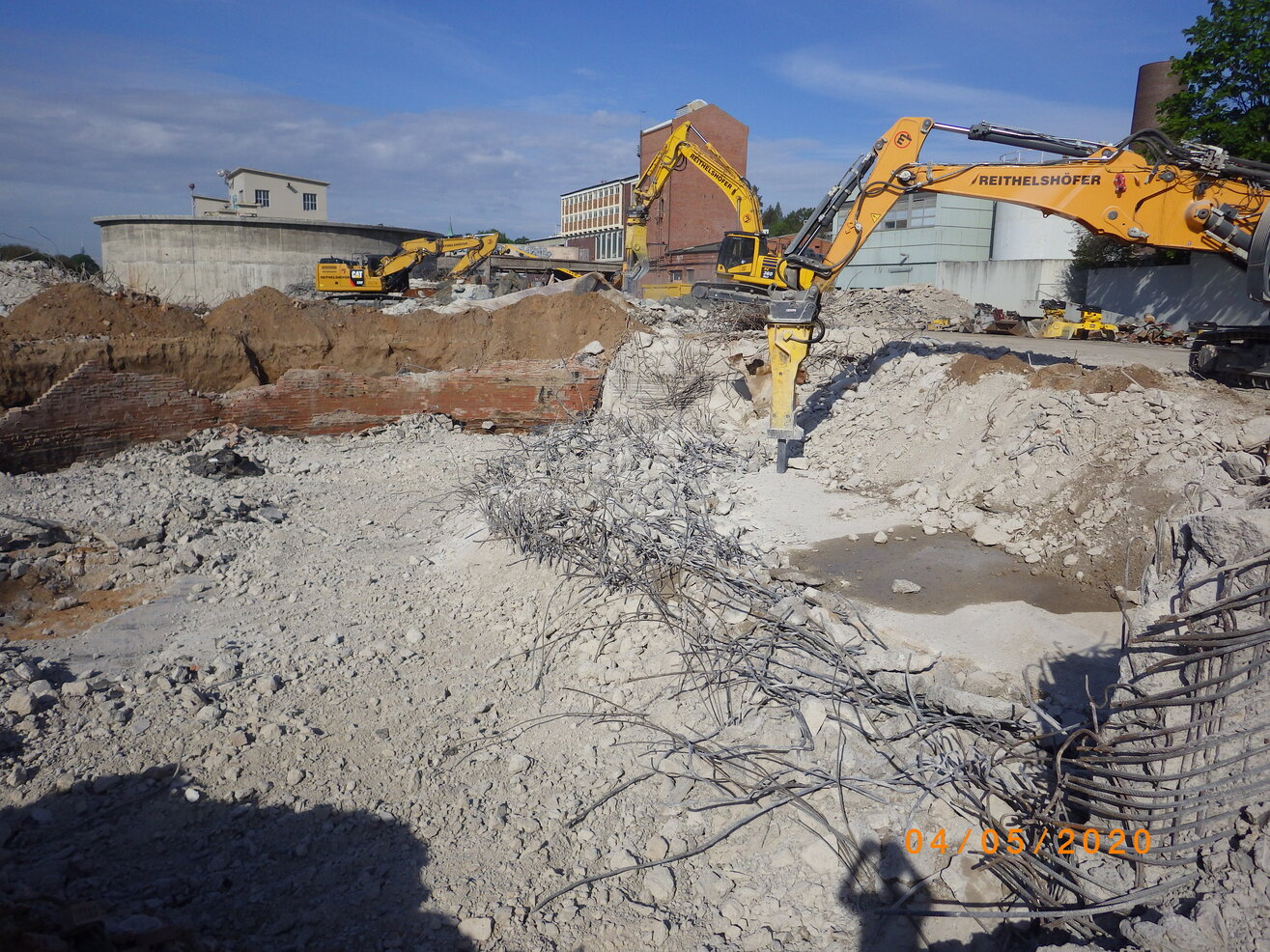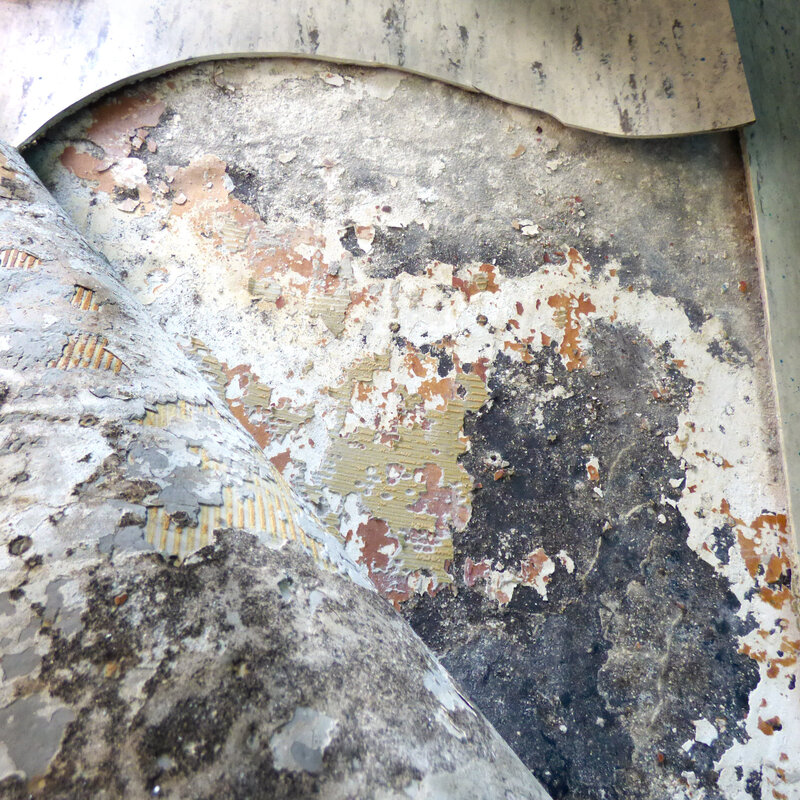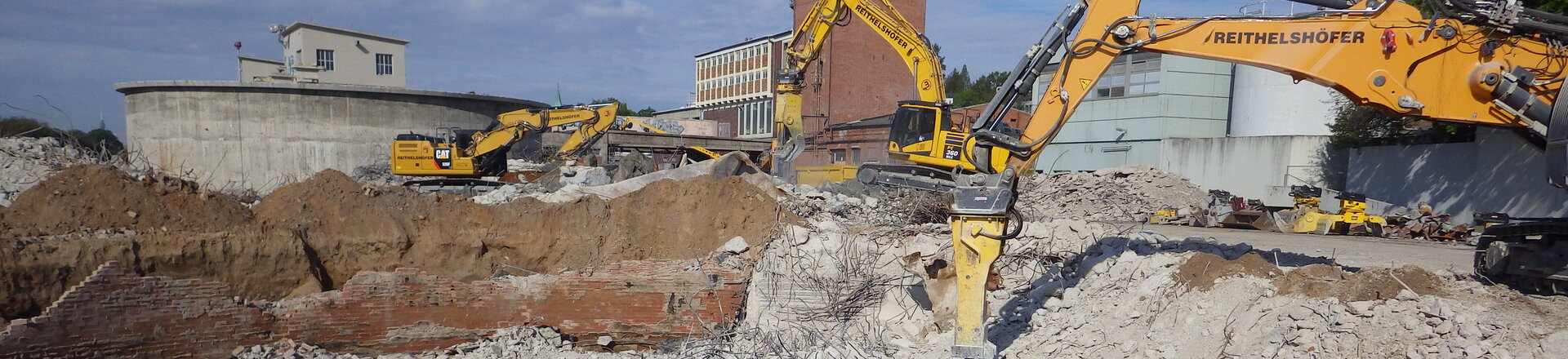
When demolishing buildings, great importance is placed on the reuse of building materials. The quality requirements for recycled building materials, the classification criteria for landfills, and occupational safety regulations make the selective removal of building materials contaminated with hazardous substances a key component of the demolition process.
Through an efficient and interdisciplinary investigation plan, competent planning, and expert construction management, risks such as unforeseen costs or construction delays can be minimized.
Our Services
-
Preliminary Demolition Survey of Buildings for Hazardous Substances
-
Inventory of Construction Materials and Quantity Survey
-
Development of a demolition plan
-
Waste disposal and recycling plan
-
Planning and tendering of demolition measures
-
Technical construction management and documentation
LAND RECYCLING: BACKGROUND
The federal government’s National Sustainability Strategy identifies inner-city development and land recycling as key elements for reducing land consumption. With the entry into force of the 2013 amendment to the Building Code (BauGB) (Act to Strengthen Inner-City Development in Cities and Municipalities and Further Develop Urban Planning Law), this principle has already been incorporated into building and planning law, with the requirement that urban development must primarily take place as inner-city development.
Existing developments with utility lines, foundations, building contaminants, and use-related soil and groundwater contamination (contaminated sites) reduce the willingness to recycle land. Demolition and dismantling requirements, as well as potential remediation obligations, make land recycling more difficult for developers, as do legal and planning uncertainties. As a result, it often still seems more attractive to utilize a new site on a “greenfield” location.
To provide greater planning certainty, the revised version of ATV DIN 18459, “Demolition and Dismantling Work,” was published in August 2015 as part of the new VOB/C. Following this technical revision, the following important changes, among others, will take effect for construction and demolition contractors as well as for architects and engineers:
Before dismantling buildings and facilities, a comprehensive survey of the property and its surroundings must be conducted. The scope of the work must be assessed, and any existing hazardous substances or structural issues must be identified to ensure cost certainty and adherence to the project timeline.
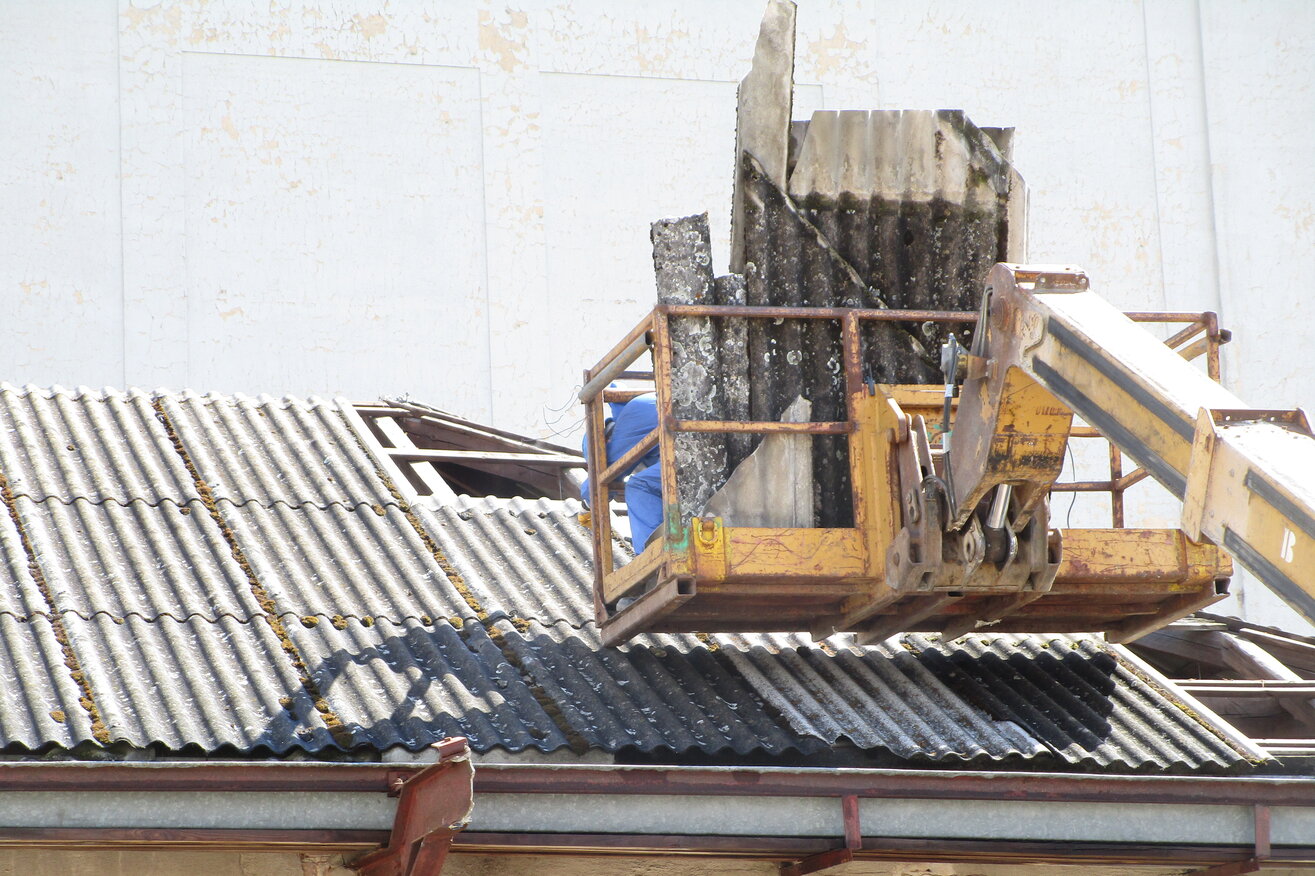
In addition, there are further technical, environmental, and waste management regulations that must be complied with, such as: VDI Guideline E 6210 on “Demolition Work on Structural and Technical Facilities” and TRGS 519 on “Handling Asbestos.” These guidelines provide assistance but also set necessary requirements for planning and implementation.
Our experts are happy to assist you with any questions regarding the planning and implementation of your project to help you stay on schedule and minimize cost risks.